Lars Lang · 27 October 2026
The Role of Adaptive Metadata Frameworks in Streamlining Cross-Device Information Retrieval for Knowledge Workers
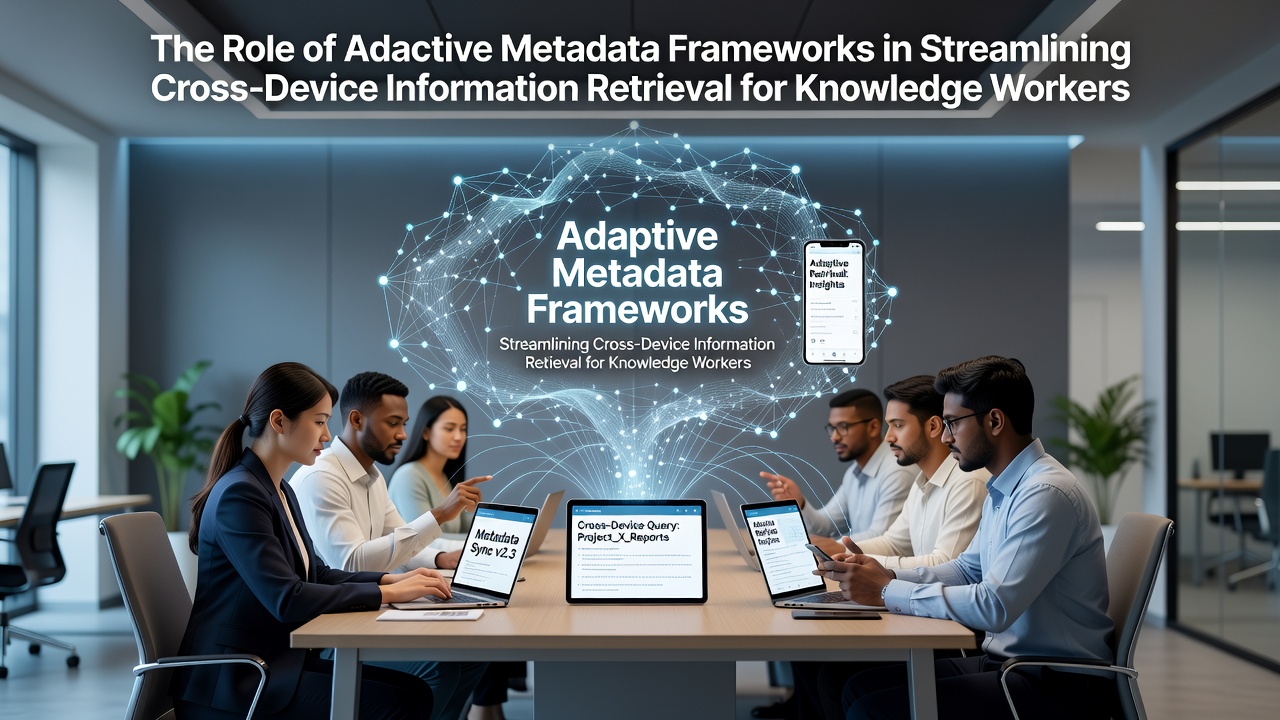
Adaptive metadata frameworks consist of dynamic systems that assign, update, and refine descriptive tags and contextual attributes to digital assets in real time, and these frameworks enable knowledge workers to locate files, notes, and datasets across smartphones, tablets, laptops, and desktop environments without manual intervention each time a new device enters the workflow. Research from academic institutions demonstrates that such systems respond to usage patterns by adjusting metadata layers according to device constraints like screen size, network speed, and storage capacity, which reduces retrieval latency while preserving content accuracy during transfers between platforms.
Core Components of Adaptive Metadata Frameworks
These frameworks rely on layered ontologies that combine user-defined keywords with automated semantic analysis derived from natural language processing algorithms, and the combination allows metadata to evolve as content gets accessed repeatedly across different hardware configurations. Data from technology adoption studies shows that integration with device APIs occurs automatically so location data, timestamps, and collaboration history attach themselves to documents without requiring separate uploads or sync commands. Observers note that version control elements embed themselves into the metadata structure, which helps distributed teams avoid conflicts when multiple users edit the same resource from separate locations and devices simultaneously.
Cross-Device Retrieval Mechanisms
Information retrieval speeds increase when adaptive metadata detects the active device context and prioritizes relevant subsets of content, for instance by surfacing mobile-optimized summaries first on handheld screens while keeping full datasets available for larger displays. Studies conducted by university research groups indicate that query resolution times drop by measurable margins once frameworks incorporate device-specific weighting into their ranking models, and this adjustment happens through continuous feedback loops that refine tag relevance based on actual access logs collected over weeks or months. Knowledge workers benefit because the system anticipates needs by pulling related items from cloud repositories or local caches depending on connectivity status at any given moment.
Applications in Professional Knowledge Work
Professionals in research, consulting, and creative industries use these frameworks to maintain continuity when switching between office desktops and remote tablets during travel, and the metadata adapts by highlighting annotations or highlights that match the current task context such as client meetings or report drafting sessions. Figures from industry surveys reveal that organizations implementing adaptive systems report fewer instances of duplicated files and lost versions because metadata tracks provenance across every access point without manual logging. One case documented by analysts involved a multinational team that reduced average search duration from several minutes to under thirty seconds after deploying frameworks that synchronized metadata across four distinct operating systems and multiple cloud services.
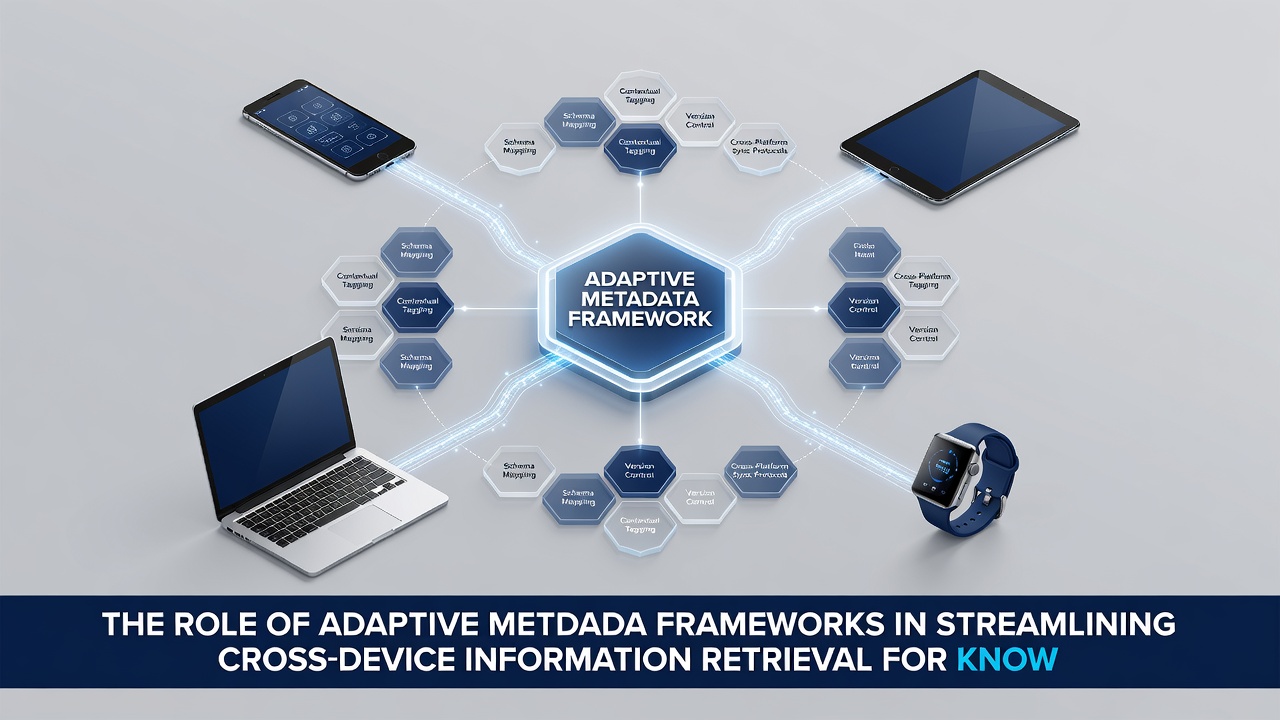
Further evidence appears in reports examining enterprise deployments where frameworks incorporated machine learning classifiers to predict which metadata fields mattered most for specific roles, such as tagging compliance documents with regulatory identifiers that remained consistent regardless of whether the file opened on a secure workstation or a field tablet. External standards bodies like the World Wide Web Consortium have published guidelines on interoperable metadata schemas that support these adaptations, and adoption of those schemas has accelerated integration between proprietary note-taking platforms and open-source repositories used by academic researchers.
Developments Observed in October 2026
In October 2026 industry analyses recorded expanded deployment of adaptive metadata in hybrid work environments, with particular growth among teams handling large volumes of multimedia research materials that required consistent retrieval across high-bandwidth office networks and variable mobile connections. Metrics collected during that period showed continued emphasis on privacy-preserving metadata handling, where frameworks stripped or anonymized location traces before cross-device synchronization to meet evolving data protection requirements in multiple jurisdictions. Academic papers released around the same time examined how these systems scaled when integrated with emerging edge computing nodes, allowing partial metadata processing to occur directly on devices rather than routing every update through central servers.
Implementation Considerations and Standards Alignment
Organizations adopt adaptive frameworks after mapping existing content repositories against standardized schemas that support extension for custom fields, and alignment with international data exchange protocols ensures compatibility when partners use different software ecosystems. Research indicates that training periods for these systems typically span several weeks as the framework learns from initial user interactions before delivering optimized retrieval paths, and ongoing calibration occurs through scheduled audits that verify metadata accuracy against source materials. Those who have studied deployment outcomes note that successful rollouts often pair the frameworks with role-based access controls so sensitive information remains visible only on authorized devices while still benefiting from unified search indexes.
Conclusion
Adaptive metadata frameworks continue to shape how knowledge workers interact with information scattered across multiple devices by providing responsive, context-aware retrieval tools grounded in evolving standards and empirical performance data. Continued refinement of these systems tracks closely with hardware advancements and regulatory updates, ensuring that cross-device access remains efficient while meeting requirements for security and interoperability documented in reports from various research and standards organizations.